
-
muhammadamjadbutt00@gmail.com
- January 21, 2026
- 0 Comments
- blog
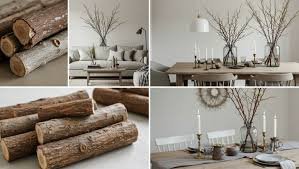
In the evolving world of interior design, few elements capture the essence of Nordic simplicity and connection to nature quite like pyntekvister. This Norwegian-Danish tradition—literally translating to “decorative branches” or “ornamental twigs”—has transitioned from ancient rural customs to a major 2026 home decor trend. As sustainability, minimalism, and hygge (cozy comfort) continue to dominate, pyntekvister offer an effortless way to infuse organic texture, seasonal rhythm, and mindful elegance into any space.
Rooted in centuries-old Scandinavian practices, pyntekvister symbolize renewal, resilience, and the cyclical beauty of the outdoors. Today, they’re celebrated for their eco-conscious appeal and versatility. Whether you’re drawn to the pale elegance of birch or the dramatic twists of willow, these natural accents align perfectly with 2026’s focus on authentic, low-impact living.
For more on Nordic design principles, check out resources like Nordic Nest’s 2026 Interior Trends, which highlight the shift toward personal, nature-inspired spaces.
Why Pyntekvister Are Exploding in Popularity in 2026
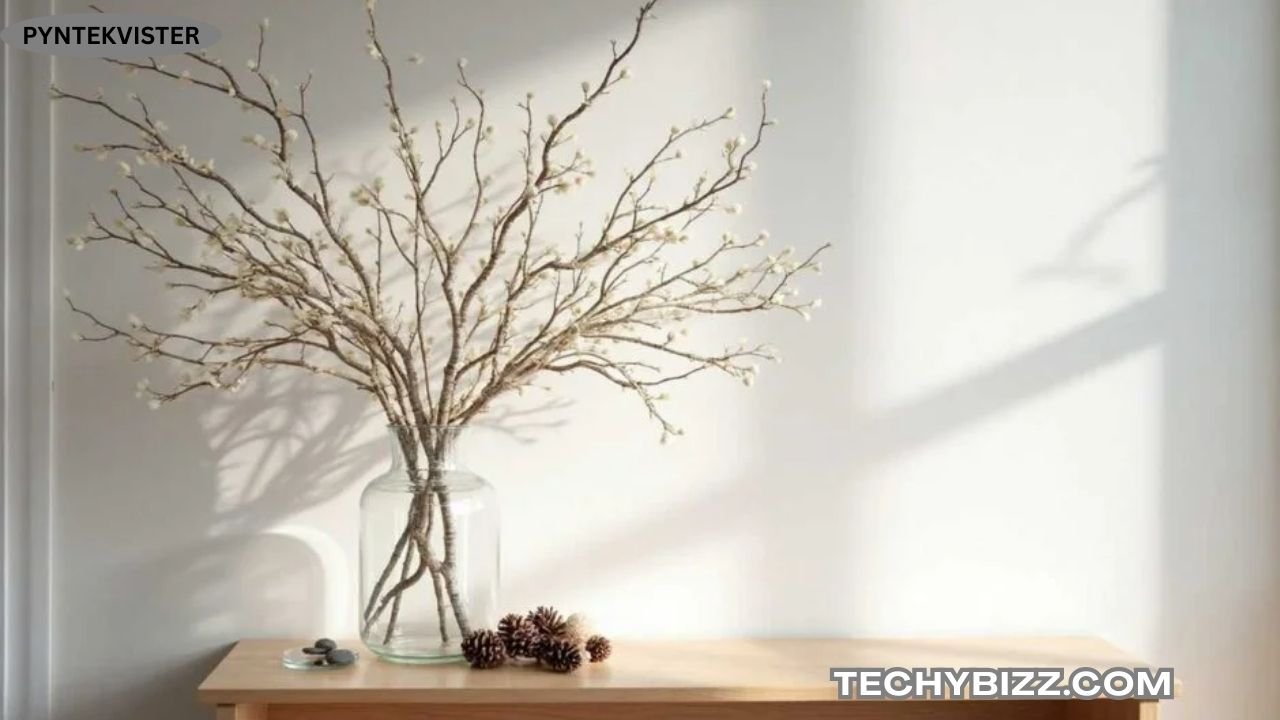
This year, pyntekvister embody key trends:
- Sustainability first — Foraged or responsibly sourced branches reduce reliance on manufactured decor.
- Biophilic design — Bringing the outdoors in boosts well-being, a core principle in modern hygge-inspired homes.
- Timeless minimalism — Clean lines and natural imperfections create serene, uncluttered environments.
Design experts note that natural elements like branches complement the warm neutrals, textured woods, and layered coziness emerging in 2026 interiors.
Choosing the Perfect Branches for Your Home
Start with the right material:
- Birch — Pale, peeling bark for a classic Scandinavian minimalist vibe.
- Willow — Flexible and curly for dynamic, flowing arrangements.
- Hazel or manzanita — Sturdy with sculptural twists for bold statements.
Forage ethically: Collect fallen branches after storms or during pruning seasons. Clean them gently with a soft brush, let them dry fully, and trim for balance. Avoid anything with insects or mold.
IKEA’s TORKA dried bouquets (available in willow or brown varieties) offer a convenient starting point if foraging isn’t feasible.
Seasonal Styling Ideas to Refresh Your Space Year-Round
Pyntekvister shine when adapted to the seasons:
- Spring — Force cherry or forsythia buds in water for fresh blooms; add pastel ribbons or tiny bird ornaments for renewal vibes.
- Summer — Pair with dried citrus slices or garden flowers in clear glass vases for a light, beachy feel.
- Autumn — Incorporate pinecones, dried leaves, and warm LED lights for cozy evenings.
- Winter — Spray-paint in silver or white, then drape with fairy lights for a magical, frost-kissed glow.
Creative DIY Projects to Personalize Your Pyntekvister
Make it your own:
- Painted branches — Use matte black, white, or metallic spray for modern contrast.
- Memory branches — Clip photos, children’s drawings, or postcards for an evolving family display.
- Hanging installations — Suspend from the ceiling with clear wire for floating sculptures.
- Twig wreaths — Weave flexible branches with natural twine and seasonal accents.
These projects are budget-friendly and encourage creativity.
Innovative Uses Beyond Vases
- Wall art — Mount large branches horizontally for natural sculptures.
- Hanging displays — Create ladder-like structures for plants or textiles.
- Event styling — Tall branches as dramatic centerpieces or arches for weddings and gatherings.
In commercial spaces, pyntekvister add calming sophistication to offices, hotels, and cafes.
Essential Care and Maintenance Tips
Keep your displays lasting:
- Dust regularly with a soft brush.
- Store in cool, dry places during off-seasons.
- Seal painted branches with matte finish for protection.
- Avoid direct sunlight or moisture to prevent fading or brittleness.
Sustainable and Mindful Choices
Pyntekvister promote circular living—branches are biodegradable, reusable, and often free. They encourage slowing down, appreciating nature’s imperfections, and making conscious decor decisions.
Pyntekvister vs Floral Decor: Natural Twigs for Stylish Interiors
When it comes to creating a serene and stylish home environment, Scandinavian design has long been admired for its simplicity, elegance, and connection to nature. Two popular decorative trends in this space are pyntekvister and traditional floral decor. While both bring natural elements into the home, they differ in style, maintenance, and aesthetic impact. Understanding these differences can help you choose the perfect option for your interior.
Style Differences
-
Pyntekvister: Minimalist, neutral, and perfect for a calm, Scandinavian-inspired look. They work well in glass vases, metal containers, or even hung as wall installations.
-
Floral Decor: Bold, lively, and often the centerpiece of a room. Flowers can complement eclectic or traditional interiors and are ideal for spaces where color and visual energy are desired.
Maintenance and Longevity
One of the key differences is maintenance:
-
Pyntekvister: Almost maintenance-free. Once placed in a vase, they last for months without water, pruning, or sunlight. They’re perfect for busy homeowners or those who prefer low-maintenance decor.
-
Floral Decor: Requires regular care. Cut flowers need water, proper sunlight, and timely replacement. Potted flowers require consistent attention to thrive.
Versatility in Interior Design
-
Pyntekvister can be used year-round and in any room. They fit minimalist, Scandinavian, modern, and even boho interiors. Seasonal decorations, like fairy lights or ornaments, can be added for a festive touch.
-
Floral arrangements are often seasonal, reflecting what’s in bloom. They’re ideal for brightening up a space but may not blend seamlessly with minimalist or neutral color schemes.
Environmental Considerations
Pyntekvister are eco-friendly since they are natural, often locally sourced branches, and don’t require constant replacement. Flowers, especially imported or out-of-season blooms, may have a higher environmental footprint due to transport, pesticides, and short lifespan.
Which Should You Choose?
The choice between pyntekvister and floral decor depends on your style, lifestyle, and interior goals:
-
Choose pyntekvister if you want a minimalist, low-maintenance, and year-round natural accent.
-
Choose floral decor if you desire vibrant, seasonal color and fragrance in your home.
Some interiors benefit from a combination of both, using pyntekvister as a backdrop and flowers as accent pieces to create a layered, dynamic look.
Where to Start in 2026
Begin small: One striking branch in a tall vase can transform a corner. As you experiment, you’ll discover how pyntekvister evolve with your home and seasons.
This timeless tradition continues to inspire because it reminds us that true beauty often lies in simplicity and the natural world. Embrace pyntekvister in 2026 for decor that’s not just stylish—it’s soulful, sustainable, and deeply connected to Nordic heritage.