
-
muhammadamjadbutt00@gmail.com
- March 2, 2026
- 0 Comments
- blog
Introduction to County Integrated Development Plans
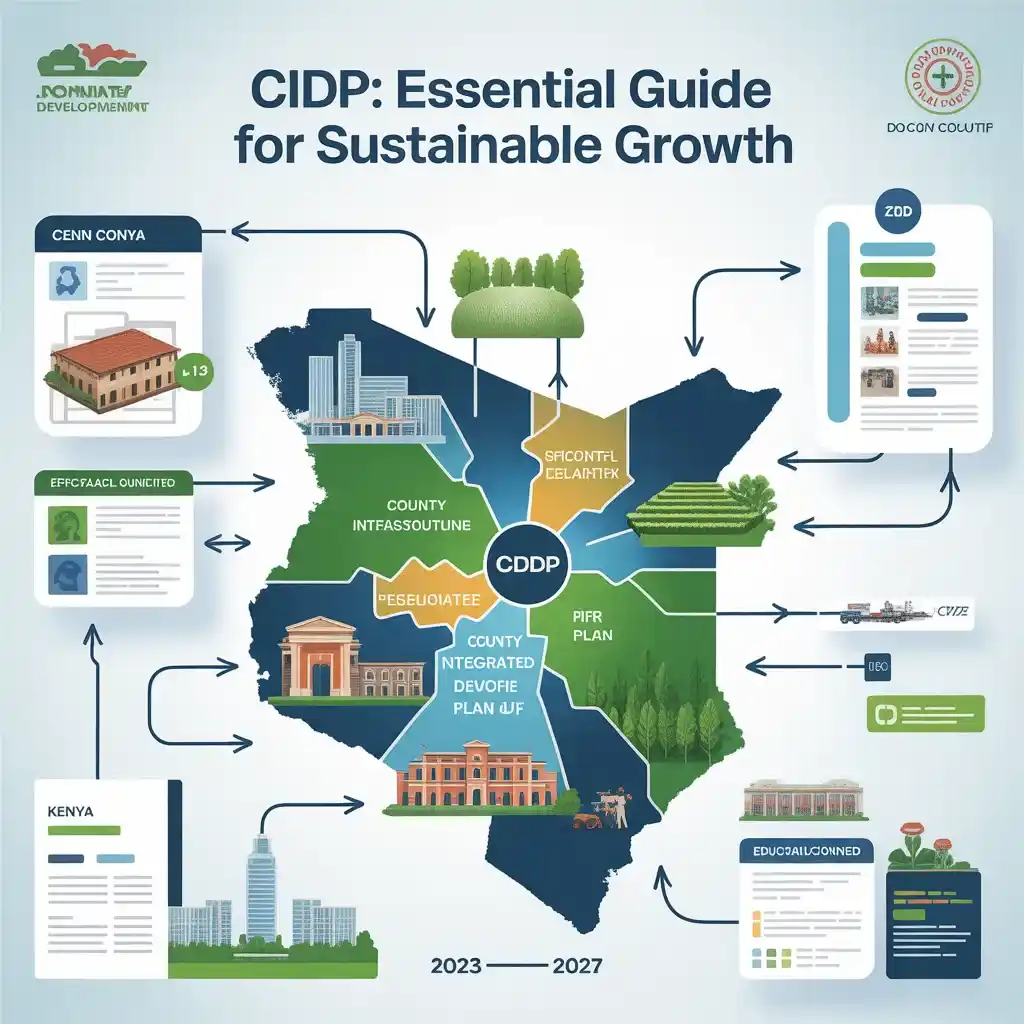
In an era where local governance plays a pivotal role in shaping everyday lives, the County Integrated Development Plan stands out as a cornerstone for progress. Often abbreviated as CIDP, this strategic document acts as a blueprint for counties, particularly in Kenya, to navigate economic, social, and environmental challenges. It’s not just paperwork; it’s a living framework that turns community aspirations into actionable projects, ensuring resources are used wisely and inclusively. As counties like those in Kenya gear up for cycles such as the 2023-2027 plans, understanding this tool becomes crucial for residents, leaders, and stakeholders alike.
What Is a County Development Plan?
A county development plan is essentially a comprehensive strategy tailored to a specific region’s needs. In the Kenyan context, it refers to the CIDP, a mandatory five-year roadmap mandated by laws like the County Government Act and Public Finance Management Act. This plan integrates various aspects of growth, from infrastructure to social services, ensuring all county spending aligns with predefined priorities. Unlike fragmented approaches, it creates a unified vision that links local initiatives to broader national objectives, making it a “super plan” that incorporates governor manifestos, community feedback, and sectoral strategies.
The Purpose of the Integrated Development Plan
The purpose of the integrated development plan is multifaceted, aiming to foster coordinated, sustainable progress. At its core, it ensures efficient resource allocation within limited budgets, promotes public participation for transparency, and addresses key sectors like healthcare, education, agriculture, and environmental conservation. By aligning efforts across departments, it reduces inefficiencies and builds trust through stakeholder involvement. Ultimately, the plan drives inclusive growth, preparing communities for future challenges while contributing to national and global goals, such as the Sustainable Development Goals (SDGs).
What Is the Meaning of CIDP in County Government?
In county government, CIDP means County Integrated Development Plan, a legal requirement that serves as the foundational document for all development activities. It outlines priorities, policies, and investments over a five-year period, ensuring no public funds are spent without its framework. This plan acts as a bridge between local needs and national policies, emphasizing job creation, infrastructure upgrades, and social welfare. It’s developed post-elections, like after Kenya’s 2022 polls, to guide the term’s agenda, making it indispensable for accountable governance.
Key Components of a CIDP
A robust CIDP includes several essential elements to make it effective. It starts with a situational analysis, assessing demographics, economic activities, and infrastructure gaps. This is followed by a vision and mission statement, strategic objectives, and detailed sectoral plans for areas like transport, water, and health. An implementation framework covers timelines, funding, and responsibilities, while monitoring and evaluation sections use performance indicators to track success. Geographical maps, costed projects, and spatial planning add depth, ensuring the plan is practical and adaptable.
The 5 Stages of the Development Plan Process
Creating a CIDP follows a structured approach. Here are the 5 stages of the development plan process:
- Data Collection and Research: Officials compile statistics, conduct surveys, and analyze trends to understand the county’s current state.
- Stakeholder Engagement: Through forums, hearings, and consultations with citizens, businesses, NGOs, and civil society, diverse inputs are gathered for inclusivity.
- Drafting and Review: Experts synthesize data into a draft, which undergoes internal and external reviews for refinements.
- Approval and Adoption: The document is presented to the county assembly for formal endorsement.
- Implementation: Departments execute priorities, with ongoing monitoring to adjust as needed.
This process turns the plan into a dynamic tool, often described as a “living document.”
Key Insights and Updates on CIDPs
To provide a clear overview, here’s a structured listing of core content and recent developments related to County Integrated Development Plans:
- Legal and Structural Foundations: Based on Kenyan laws, CIDPs link to national strategies, ensuring no unapproved spending. Guidelines from the State Department for Economic Planning standardize processes across counties.
- Current Cycle Highlights: Counties are implementing 2023-2027 CIDPs, post-2022 elections, focusing on job creation, healthcare, and infrastructure.
- Success Stories: In Kiambu County, agricultural enhancements boosted farmer productivity. Makueni improved water access and education enrollment, while Kisumu reduced maternal mortality through health investments.
- Emerging Trends: Digital tools like GIS mapping and online dashboards are transforming planning for better efficiency.
- Challenges Noted: Funding shortages, political shifts, and capacity gaps remain hurdles, as per reports from organizations like the International Budget Partnership.
This listing draws from established frameworks and real-world examples, offering a snapshot of CIDP dynamics.
Role of Stakeholders in CIDP Success
Stakeholder collaboration is key to a thriving CIDP. County governments lead drafting and execution, while the national government offers policy support and funding. The private sector invests in projects like housing and infrastructure, and civil society groups provide advocacy and mobilization. Citizens, through consultations, ensure accountability, turning the plan into a community-driven effort.
Benefits and Challenges of Implementing CIDPs
The advantages are clear: improved infrastructure, economic boosts, enhanced social services, and environmental safeguards lead to long-term stability. However, challenges like limited funding, political interference, weak monitoring, and skill shortages can impede progress. Addressing these through capacity building and strong institutions is vital.
Integration with Broader Goals and Digital Trends
CIDPs align with national visions, long-term policies, and SDGs for cohesive development. Digital transformation, using tools like GIS and online platforms, enhances transparency and decision-making. Future trends include climate-resilient strategies, smart infrastructure, public-private partnerships, and inclusive models focusing on gender and youth.
Best Practices for Effective CIDPs
For optimal results, conduct thorough baseline studies, maintain ongoing engagement, set realistic targets, ensure transparent procurement, and review progress regularly. Strong leadership and adaptability keep the plan relevant.
Conclusion: The Path Forward with CIDPs
The County Integrated Development Plan is more than a document it’s a catalyst for resilient, prosperous communities. By weaving together local priorities with strategic action, it paves the way for meaningful change. As Kenyan counties continue under the 2023-2027 cycle, embracing innovation and collaboration will amplify its impact, ensuring a brighter future for all.