
-
muhammadamjadbutt00@gmail.com
- February 19, 2026
- 0 Comments
- blog, Essay Help
Many people are confused after reading articles that describe Onnilaina as a place with history, culture, and legacy. The name sounds real, historical, and even meaningful. But the important question is:
Does Onnilaina actually exist as a real city?
Let’s break this down step by step with logic and facts.
1. Is Onnilaina a Real City?
The simple and clear answer is:
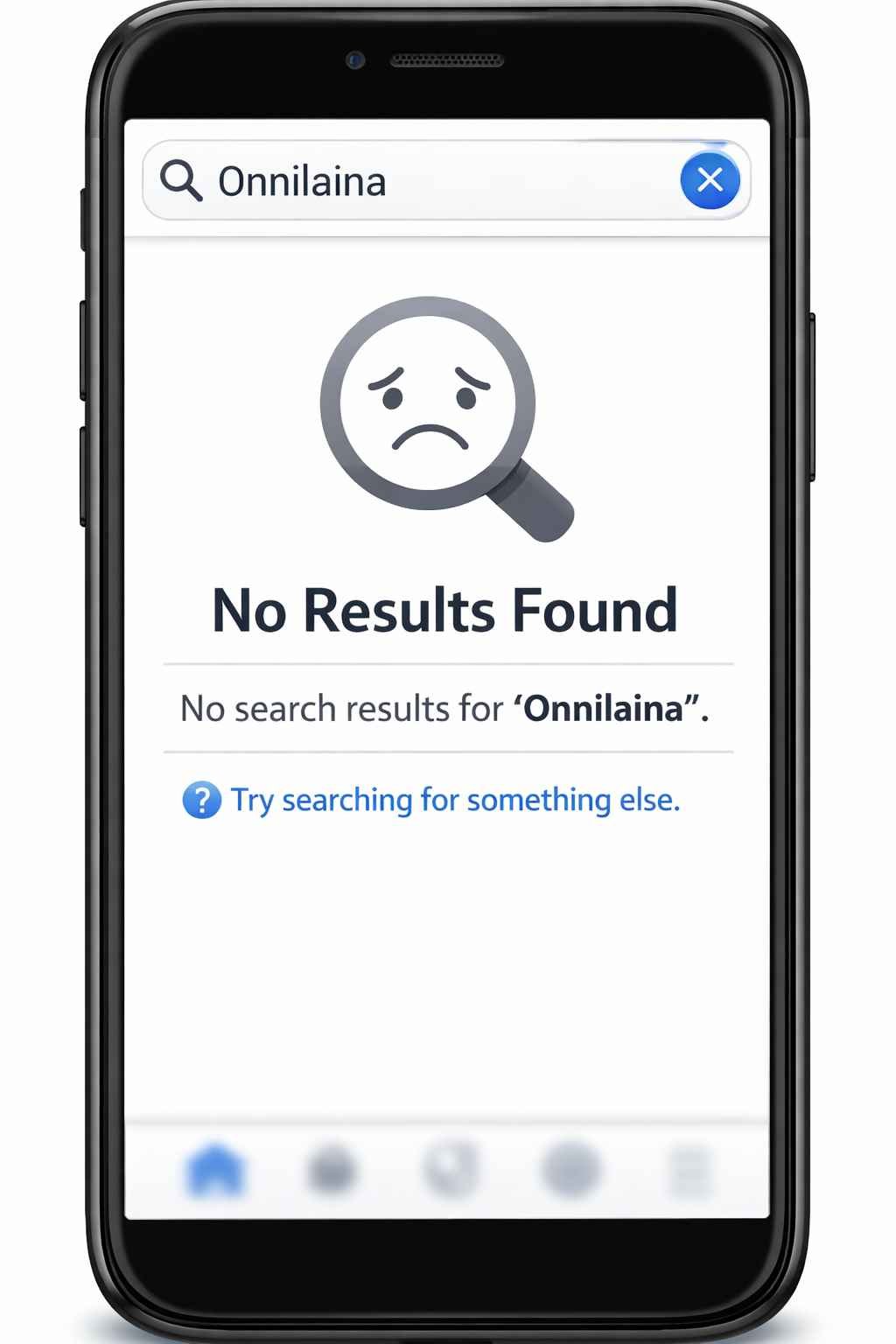
No, Onnilaina is not a real, officially recognized city anywhere in the world.
When a city exists in reality, it appears in:
-
International maps
-
Government geographic databases
-
National census records
-
Historical archives
-
Academic research materials
Onnilaina does not appear in any of these trusted sources.
There are no coordinates, no country association, no population data, and no official recognition connected to this name.
That strongly indicates it is not a real geographical location.
2. How Do We Know It’s Not Real?
Every real city leaves evidence behind. For example:
A real city usually has:
-
A founding history
-
Administrative governance
-
A postal code
-
Satellite map visibility
-
Tourism references
-
Legal documentation
Onnilaina has none of these.
If something cannot be verified through independent, reliable sources, it cannot be considered a real city.
3. Where Did the Name “Onnilaina” Come From?
The name most likely comes from one of the following sources:
• Creative Writing
Writers often invent fictional place names to make stories more interesting.
• AI-Generated Content
Modern AI tools sometimes generate unique names that sound cultural or historical but are not real.
• SEO Content Strategy
Some websites create unusual names to attract curiosity and search traffic.
• Fictional World-Building
Just like novels or fantasy films create imaginary cities, Onnilaina may be a fictional concept designed to sound meaningful.
The word itself has no clear linguistic origin in known world languages, which further supports the idea that it is invented.
4. Why Does It Sound So Real?
This is an important psychological factor.
The article describing Onnilaina uses:
-
Historical tone
-
Cultural references
-
Words like “legacy,” “origins,” and “ancient traditions”
-
Emotional storytelling
When something is written in a confident, academic style, it feels authentic — even if it is fictional.
This is how storytelling works. Style can create the illusion of reality.
But writing style alone does not create historical truth.
5. Is There Any Historical or Archaeological Proof?
No.
If Onnilaina were real, we would find:
-
Archaeological findings
-
Recorded events
-
Cultural artifacts
-
Academic citations
-
References in history books
None of these exist.
Without independent evidence, the claim remains unsupported.
6. Why Do Some Articles Present It as Historical?
There are a few possible reasons:
-
The content was generated for engagement rather than accuracy.
-
It may be symbolic, not literal.
-
It could be experimental or fictional writing presented as informative content.
-
It may have been written using AI without fact-checking.
In the modern digital world, not all well-written content is factual.
7. How to Verify If a City Is Real
If you ever encounter an unfamiliar city name, use this checklist:
✔ Search on Google Maps
✔ Check official government websites
✔ Look for population census data
✔ Search academic databases
✔ Check reputable encyclopedias
If none of these sources confirm the place, it is likely fictional.
Reliable information always appears across multiple trusted platforms.
8. Final Conclusion
After logical analysis and fact-checking:
Onnilaina is not a real city.
There is no geographical, historical, governmental, or academic evidence supporting its existence.
It appears to be an invented or fictional term used in creative or online content.
Just because something sounds historical does not mean it is historically real.