
-
muhammadamjadbutt00@gmail.com
- February 1, 2026
- 0 Comments
- blog
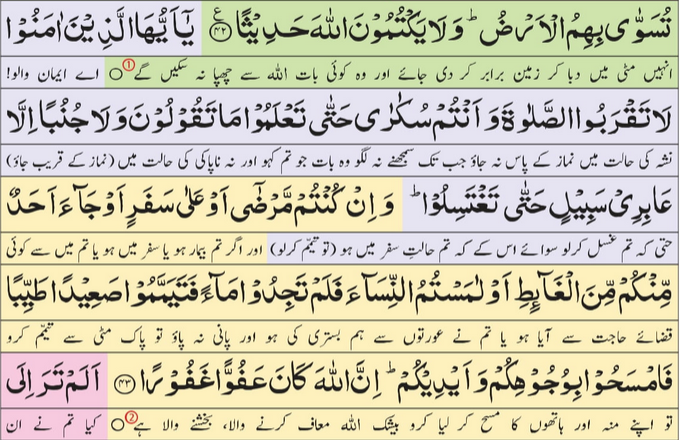
Tayammum in Quran in Urdu
Surah Nisa
Ayat No#42
Tayammum Se Mutaliq Aham Sawalat (Questions About Tayammum)
Tayammum kya hai aur kab kiya jata hai?
Kin halaat mein wuzu ki jagah tayammum jaiz hota hai?
Agar pani mojood ho lekin istemal se nuksan ka khatra ho to kya tayammum kar sakte hain?
Tayammum ka sahi tareeqa kya hai?
Tayammum ke liye kis qisam ki mitti ya zameen ka istemal kiya ja sakta hai?
Tayammum se kitni namazon ada ki ja sakti hain?
Kya tayammum se ghusl ka badal bhi ada hota hai?
Tayammum kin cheezon se toot jata hai?
Safar ke dauran tayammum ke ahkam kya hain?
Agar namaz ke baad pani mil jaye to kya namaz dobara parhna zaroori hai?
Tayammum Kya Hota Hai?
Tayammum meaning in urdu
Tayammum ek shar‘i paakizgi ka tareeqa hai jo pani na milne ya pani istemal karne mein rukawat hone ki surat mein kiya jata hai. Is mein saaf mitti ya zameen par haath maar kar chehre aur haathon ka masah kiya jata hai. Yeh wuzu aur kuch halaat mein ghusl ka badal hota hai.
Kab Kiya Jata Hai?
Jab pani dastiyab na ho, ya itna kam ho ke peene ke liye zaroori ho, ya phir pani istemal karne se sehat ko nuksan ka khatra ho, tab tayammum kiya jata hai.
Wuzu Ki Jagah Kab Jaiz?
Wuzu ki jagah tayammum us waqt jaiz hai jab:
-
Pani bilkul na mile
-
Bimari ki wajah se pani nuksan de sakta ho
-
Sakht sardi ho aur pani garam karna mumkin na ho
-
Safar mein pani hasil karna mushkil ho
Nuksan Ka Khatra Ho To?
Agar doctor ya tajurba yeh bataye ke pani istemal karne se bimari barh sakti hai ya zakhm kharab ho sakta hai, to tayammum karna jaiz hai. Islam asani ka deen hai aur sehat ko nuqsan pohanchana zaroori nahi.
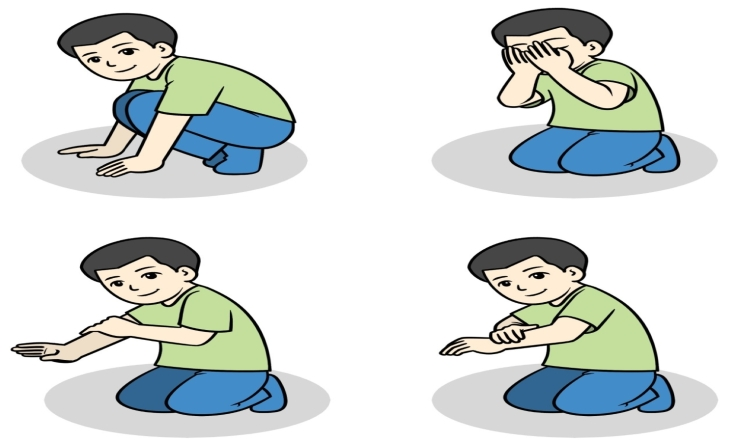
Tayammum ka tarika sunni
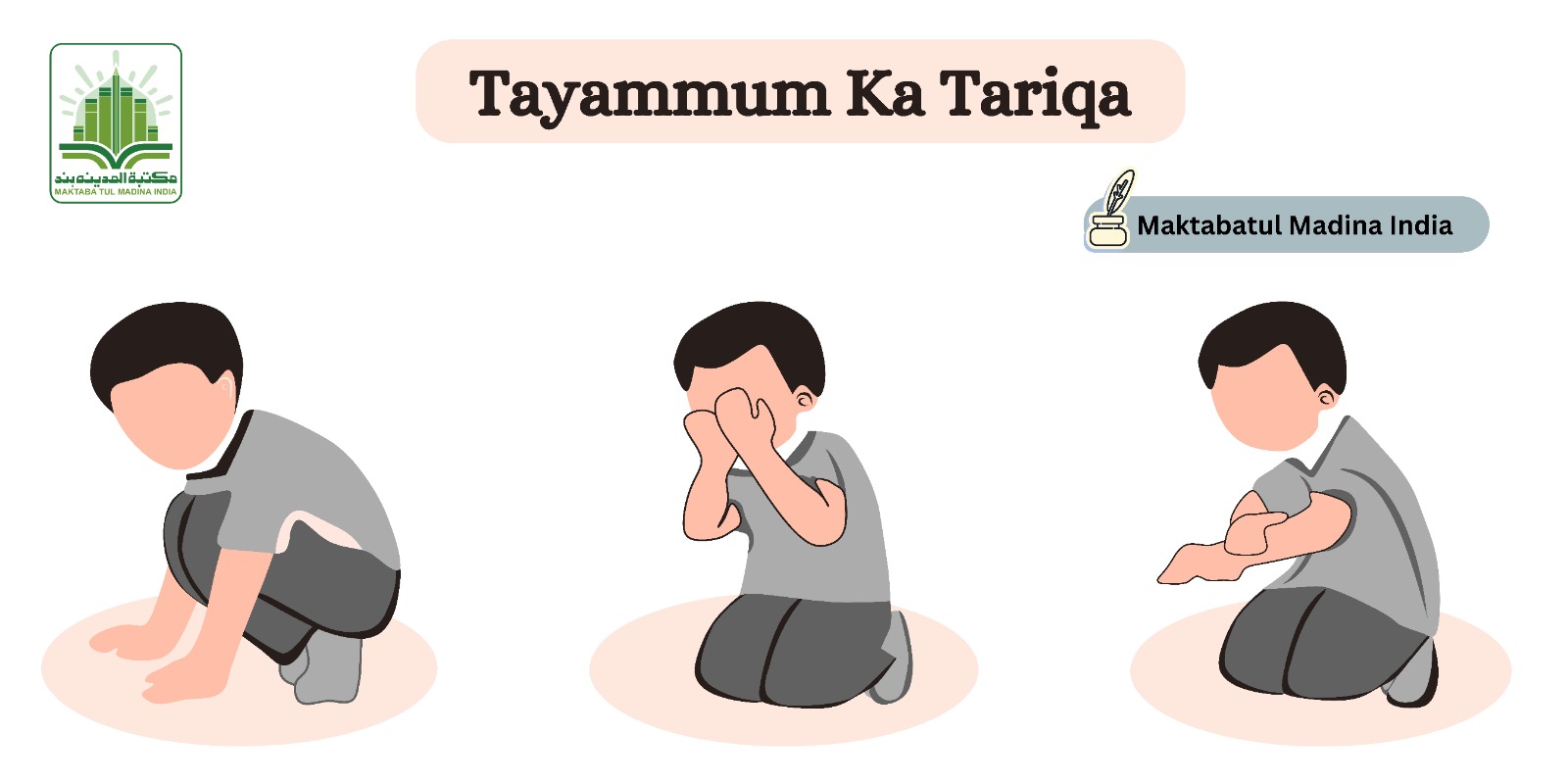
Tayammum ka tareeqa mukhtasar aur asaan hai:
-
Niyyat karein.
-
Dono haath saaf mitti par halki si maar kar jhaad lein.
-
Pehle chehre ka masah karein.
-
Phir haathon ka masah kalaiyon tak karein.
Kis Mitti Se?
Har woh saaf zameeni cheez jisme gard ya mitti ho, istemal ki ja sakti hai. Jaise: mitti, ret, pathar, deewar ki gard. Zaroori hai ke woh napaak na ho.
Kitni Namazein?
Ek tayammum se aik se zyada namazein parhi ja sakti hain jab tak woh toot na jaye. Har namaz ke liye naya tayammum zaroori nahi jab tak koi wajah na ho.
Ghusl Ka Badal?
Ji haan, agar ghusl farz ho aur pani mojood na ho ya istemal mumkin na ho, to tayammum ghusl ka bhi badal ban jata hai.
Tayammum Kab Toota?
Tayammum unhi cheezon se toot jata hai jin se wuzu tootta hai. Is ke ilawa jab pani dastiyab ho jaye aur istemal mumkin ho, to tayammum ki ijazat khatam ho jati hai.
Safar Mein Ahkam
Safar mein agar pani milna mushkil ho ya fasla door ho, to tayammum ki ijazat hai. Lekin agar asani se pani mil sakta ho to pehle pani talash karna zaroori hai.
Baad Mein Pani Mil Jaye?
Agar namaz tayammum se parh li aur baad mein pani mil gaya, to parhi hui namaz dobara parhna zaroori nahi. Lekin agle waqt ki namaz ke liye wuzu ya ghusl karna hoga.
Tayammum Hadith in Eng & Arabic
Once we were traveling with the Prophet (ﷺ) and we carried on traveling till the last part of the night and then we (halted at a place) and slept (deeply). There is nothing sweeter than sleep for a traveler in the last part of the night. So it was only the heat of the sun that made us to wake up and the first to wake up was so and so, then so and so and then so and so (the narrator `Auf said that Abu Raja’ had told him their names but he had forgotten them) and the fourth person to wake up was `Umar bin Al- Khattab. And whenever the Prophet (ﷺ) used to sleep, nobody would wake up him till he himself used to get up as we did not know what was happening (being revealed) to him in his sleep. So, `Umar got up and saw the condition of the people, and he was a strict man, so he said, “Allahu Akbar” and raised his voice with Takbir, and kept on saying loudly till the Prophet (ﷺ) got up because of it. When he got up, the people informed him about what had happened to them. He said, “There is no harm (or it will not be harmful). Depart!” So they departed from that place, and after covering some distance the Prophet (ﷺ) stopped and asked for some water to perform the ablution. So he performed the ablution and the call for the prayer was pronounced and he led the people in prayer. After he finished from the prayer, he saw a man sitting aloof who had not prayed with the people. He asked, “O so and so! What has prevented you from praying with us?” He replied, “I am Junub and there is no water. ” The Prophet (ﷺ) said, “Perform Tayammum with (clean) earth and that is sufficient for you.” Then the Prophet (ﷺ) proceeded on and the people complained to him of thirst. Thereupon he got down and called a person (the narrator `Auf added that Abu Raja’ had named him but he had forgotten) and `Ali, and ordered them to go and bring water. So they went in search of water and met a woman who was sitting on her camel between two bags of water. They asked, “Where can we find water?” She replied, “I was there (at the place of water) this hour yesterday and my people are behind me.” They requested her to accompany them. She asked, “Where?” They said, “To Allah’s Messenger (ﷺ) .” She said, “Do you mean the man who is called the Sabi, (with a new religion)?” They replied, “Yes, the same person. So come along.” They brought her to the Prophet (ﷺ) and narrated the whole story. He said, “Help her to dismount.” The Prophet (ﷺ) asked for a pot, then he opened the mouths of the bags and poured some water into the pot. Then he closed the big openings of the bags and opened the small ones and the people were called upon to drink and water their animals. So they all watered their animals and they (too) all quenched their thirst and also gave water to others and last of all the Prophet (ﷺ) gave a pot full of water to the person who was Junub and told him to pour it over his body. The woman was standing and watching all that which they were doing with her water. By Allah, when her water bags were returned the looked like as if they were more full (of water) than they had been before (Miracle of Allah’s Messenger (ﷺ)) Then the Prophet (ﷺ) ordered us to collect something for her; so dates, flour and Sawiq were collected which amounted to a good meal that was put in a piece of cloth. She was helped to ride on her camel and that cloth full of foodstuff was also placed in front of her and then the Prophet (ﷺ) said to her, “We have not taken your water but Allah has given water to us.” She returned home late. Her relatives asked her: “O so and so what has delayed you?” She said, “A strange thing! Two men met me and took me to the man who is called the Sabi’ and he did such and such a thing. By Allah, he is either the greatest magician between this and this (gesturing with her index and middle fingers raising them towards the sky indicating the heaven and the earth) or he is Allah’s true Apostle.” Afterwards the Muslims used to attack the pagans around her abode but never touched her village. One day she said to her people, “I think that these people leave you purposely. Have you got any inclination to Islam?” They obeyed her and all of them embraced Islam. Abu `Abdullah said: The word Saba’a means “The one who has deserted his old religion and embraced a new religion.” Abul ‘Ailya [??] said, “The S`Abis are a sect of people of the Scripture who recite the Book of Psalms.”
Tayammum Hadith in Urdu
حضرت عمار بن یاسر رضی اللہ عنہ سے روایت ہے کہ نبی کریم ﷺ نے فرمایا:
“تمہارے لیے (تیمم میں) صرف اتنا ہی کافی تھا کہ (آپ نے اپنے ہاتھوں کو زمین پر مارا) پھر پھونک مار کر انہیں صاف کیا اور اپنے چہرے اور ہاتھوں کا مسح کیا”۔ (صحیح بخاری: 334-335)