
-
muhammadamjadbutt00@gmail.com
- February 16, 2026
- 0 Comments
- blog
Koriandri the word instantly brings to mind the unmistakable aroma that either makes your mouth water or sends you running from the kitchen. In many Pakistani and Indian households it’s simply called koriandri or hara dhania, while the rest of the world debates whether it’s coriander or cilantro. Whatever name you use, this single plant delivers two dramatically different experiences: bright, citrusy (and sometimes soapy) fresh leaves and warm, nutty dried seeds. Let’s explore everything worth knowing about this ancient, globally loved herb.
A Very Old Traveler with an Impressive Passport
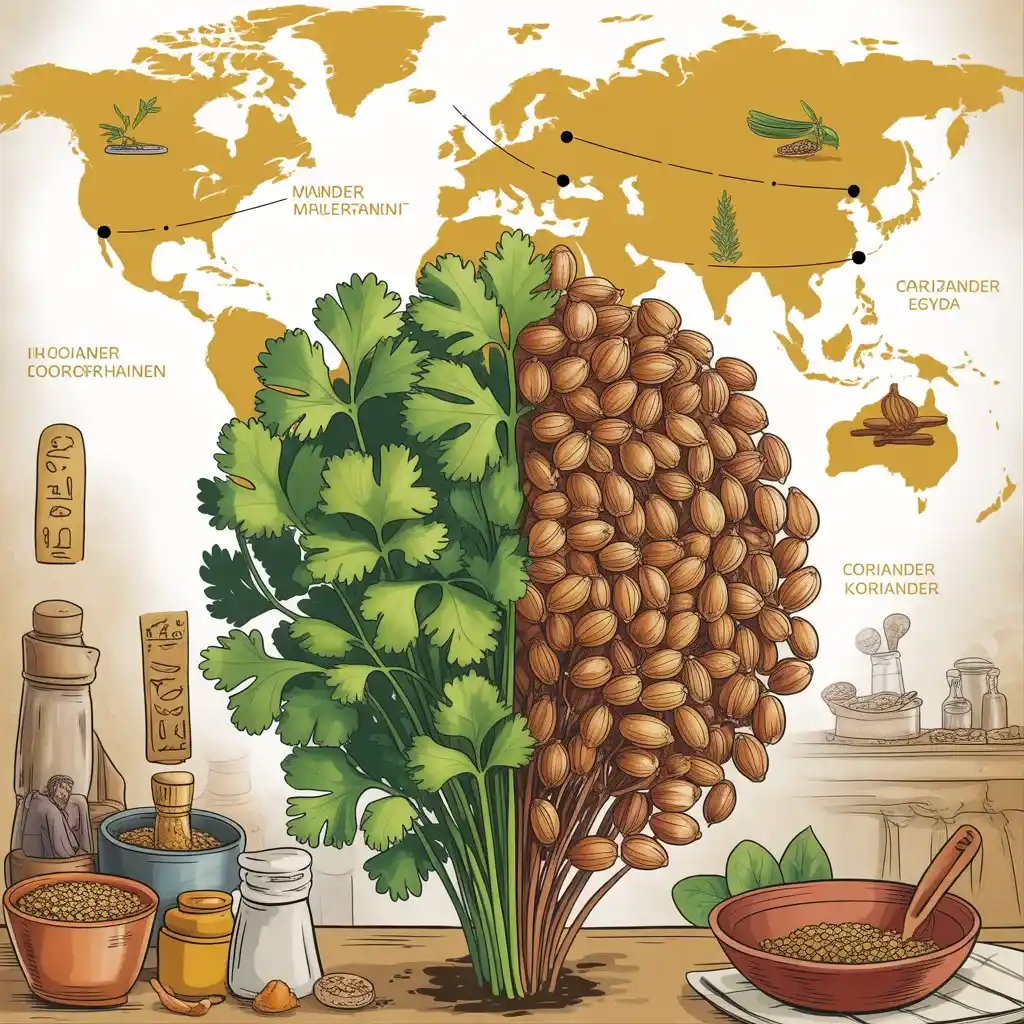
Few ingredients have traveled as far and wide as koriandri. Archaeologists discovered coriander seeds inside Egyptian tombs more than 3,000 years old, including the burial chamber of Tutankhamun. The ancient Egyptians valued it both as food flavoring and as part of embalming mixtures, believing it carried protective qualities into the afterlife.
From the Mediterranean basin the plant followed trade routes eastward into the Indian subcontinent and westward into Europe. The Romans used coriander to preserve meat and flavor bread and wine. Greek physicians wrote about its digestive benefits. By the time Spanish and Portuguese explorers reached the Americas, they brought coriander seeds along and the fresh leaves quickly became indispensable in what we now call Mexican and Latin American cooking. Today koriandri remains a cornerstone of South Asian curries, Thai soups, Middle Eastern spice blends, Vietnamese pho, and countless salsas around the world.
Why the Same Plant Tastes Completely Different
One plant, two very distinct ingredients that’s the magic (and the confusion) of koriandri.
Fresh leaves (cilantro / hara dhania) deliver a bright, zesty, almost citrus-and-pine combination that many describe as refreshing. For roughly 4–14% of people, however, those same aldehydes trigger a strong soapy or metallic taste. This difference comes down to variations in the OR6A2 olfactory receptor gene. Interestingly, almost nobody reports a soapy taste from the dried seeds.
Dried coriander seeds develop an entirely different personality after the plant flowers and sets seed. Toasted lightly, they release warm, slightly sweet notes reminiscent of orange peel, hazelnut, and a whisper of cumin. Ground coriander becomes one of the foundational spices in garam masala, curry powder, pickling blends, and many sausage recipes.
The roots often discarded in Western kitchens carry an even more intense version of the leaf flavor and are prized in Thai cooking for making curry pastes and broths.
How Koriandri Actually Works in Real Cooking
The single biggest mistake people make with fresh koriandri is cooking it for too long. Heat quickly destroys the delicate volatile oils that give the leaves their signature brightness. Almost every traditional recipe that uses fresh leaves adds them at the very end either as a generous garnish or stirred in during the last 30–60 seconds.
- Sprinkle chopped leaves over dal, kadhi, or any lentil dish right before serving
- Stir into chutneys, raita, or yogurt-based marinades
- Finish pho, tom yum, or any noodle soup with a big handful
- Mix into guacamole, pico de gallo, or fresh salsa
- Blend into green chutney with mint, green chili, lemon, and salt
Dried seeds behave differently. They benefit from a quick dry-toast in a pan before grinding – this wakes up the essential oils and removes any raw, grassy edge. Ground coriander appears early in the cooking process because it needs time to mellow and merge with other spices.
- Form the base of almost every South Asian curry powder and garam masala
- Season roasted vegetables, especially potatoes, carrots, and cauliflower
- Add depth to soups, stews, and braised meats
- Flavor homemade pickles and brines
- Bring subtle warmth to baked goods (especially Scandinavian and German breads)
Health Benefits Backed by Both Tradition and Modern Research
Traditional medicine systems have relied on koriandri for centuries, and recent laboratory work is starting to explain why.
The fresh leaves are surprisingly nutrient-dense for an herb used in such small quantities. They supply meaningful amounts of vitamin K (important for blood clotting and bone health), vitamin C, and vitamin A precursors. Both leaves and seeds contain antioxidants including quercetin, kaempferol, and various phenolic compounds.
Seeds show particular promise in several areas:
- Supporting normal digestion and easing occasional bloating
- Helping maintain healthy cholesterol and lipid profiles in animal and small human studies
- Exhibiting mild blood-sugar-regulating effects in preliminary research
- Providing natural antimicrobial activity against certain food-borne pathogens
Many South Asian and Middle Eastern households still serve warm coriander-seed tea after heavy meals to settle the stomach a practice now supported by the herb’s carminative (gas-reducing) properties.
Practical Tips: Buying, Storing, and Growing
Fresh koriandri wilts fast. Choose bunches with vibrant green leaves and firm stems avoid anything yellowing or slimy. At home, treat it like flowers: trim the stem ends, stand the bunch in a glass of water, cover loosely with a plastic bag, and refrigerate. Change the water every couple of days. This method keeps leaves crisp for 7–14 days.
For longer storage, wash, spin dry, chop, and freeze in small portions (ice-cube trays with a little water or oil work well). The frozen leaves lose their texture but keep most of their flavor for cooked dishes.
Coriander seeds store almost indefinitely when kept whole in an airtight jar away from light and heat. Grind only what you need pre-ground coriander loses aroma within weeks.
Growing your own is surprisingly easy, especially in cooler months. Sow seeds directly in pots or garden beds in well-drained soil. Keep the soil moist but not waterlogged. Harvest outer leaves regularly to delay bolting. In hot weather the plant races to flower and set seed which is actually useful if you want your own coriander seeds.
Final Thought: Love It or Not, It’s Hard to Ignore
Koriandri remains one of the most divisive yet most used herbs on the planet. Some people will always push their plate away the moment they detect that unmistakable aroma. Others can’t imagine dal, salsa, or pho without its finishing touch. The wonderful thing is that the plant offers something for almost everyone: fresh leaves for brightness, toasted seeds for depth, roots for intensity, and a long list of traditional and emerging health-supporting properties.
Next time you open a bunch of koriandri and that sharp, green fragrance fills the kitchen, remember you’re smelling thousands of years of culinary history and perhaps a little genetic destiny in one modest herb.